



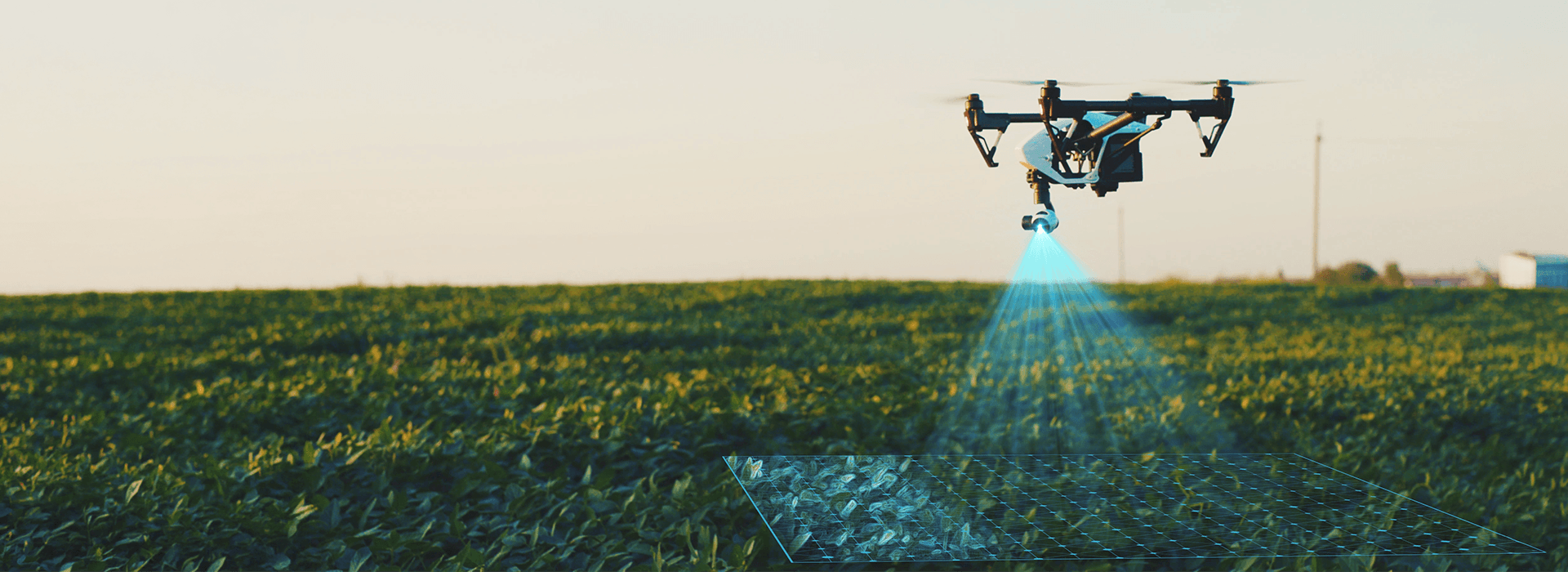
Intelligent mobile sensing and perception for autonomous agricultural robotics
FLEUR
Project description
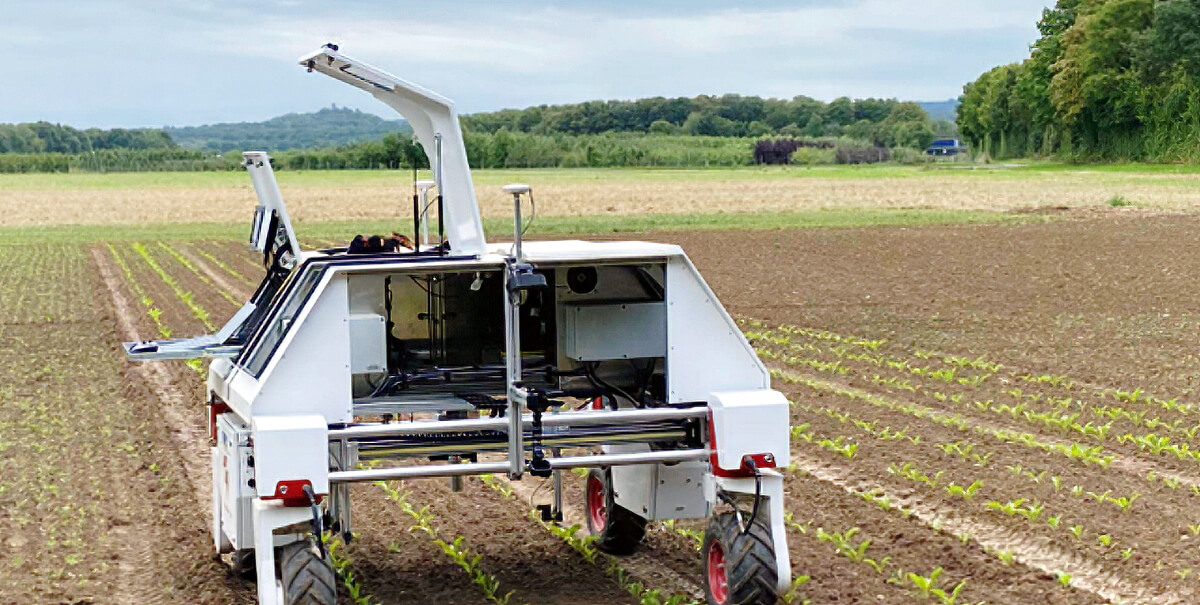
Modern agricultural robots operate in highly dynamic outdoor environments where conventional perception systems often struggle with rapidly changing lighting conditions, weather influences, and uneven terrain. These limitations can reduce localization accuracy, compromise plant tracking performance, and affect the reliability of autonomous decision-making, ultimately limiting the efficiency and scalability of robotic solutions in agriculture.
FLEUR addresses these challenges by developing neuromorphic perception technologies based on event-driven sensing and embedded artificial intelligence. Building on the results of previous neuromorphic computing projects, the project transfers event-based odometry and tracking methods to the domain of agricultural robotics, opening new opportunities for robust autonomous operation in real-world farming environments.
At the core of the project are event-based visual odometry and neuromorphic plant-tracking algorithms that combine event cameras with visual-inertial sensing. These technologies provide robust localization, accurate plant tracking, and low-latency perception under varying illumination, weather, and terrain conditions. As a result, agricultural robots can perceive and react to their environment more reliably, supporting precise and efficient operations in the field.
The developed methods are integrated into the DynamoBot agricultural robotic platform and validated through laboratory and field experiments. This evaluation demonstrates the potential of neuromorphic perception to improve system robustness while enabling energy-efficient embedded AI solutions for precision agriculture.
Beyond its technical contributions, FLEUR has strategic importance for fortiss. The project strengthens key research areas including Robust AI, AI Engineering, and technology transfer to SMEs, while extending neuromorphic perception technologies to a new and highly relevant application domain.
Research contribution
fortiss contributes its expertise in neuromorphic computing, event-based vision, visual odometry, and embedded AI to advance the project's scientific and technological objectives.
A central responsibility of fortiss is the development of event-based visual odometry algorithms that enable robust robot localization using information from event cameras. In addition, fortiss develops visual-inertial sensor fusion methods that combine event-based perception with inertial measurements to improve robustness and accuracy in challenging outdoor environments.
Another key focus is the development of neuromorphic plant-tracking algorithms that support reliable perception and monitoring of crops under varying environmental conditions. To ensure scientific rigor and technological readiness, fortiss also performs benchmarking and evaluation of the developed approaches.
The resulting algorithms are deployed and optimized for embedded AI platforms, including BrainChip Akida and NVIDIA Jetson systems, enabling low-latency and energy-efficient operation directly on robotic hardware.
In addition to these technical activities, fortiss is responsible for overall project management and scientific development, including scientific supervision, technical guidance in neuromorphic computing and event-based vision, quality assurance, dissemination activities, and coordination of the research work throughout the project lifecycle.
Funding
Federal Ministry of Research, Technology, and Space (BMFTR)
KMU Innovation – Bioeconomy
Project duration
01.08.2026 - 31.07.2028
Contact

Project partner
