


Research expertise for the energy sector
fortiss sees the current challenges in the energy sector as an opportunity to drive innovative solutions forward: from maximising renewable energies and strengthening grid stability to developing customer-oriented digital experiences that promote sustainable and long-term growth. Using state-of-the-art technologies and algorithms, we integrate artificial intelligence and machine learning to develop forward-looking and sustainable approaches for the energy industry. fortiss offers efficient and scalable software solutions that meet the increasing demands of the industry and support a sustainable energy future.
Software platforms and applications are central components of digitalisation in the energy industry. fortiss develops solutions to master the increasing complexity and high demands on system architectures and interfaces.This includes the coupling of sectors such as heat, electricity, water and mobility as well as the integration of renewable energies and the flexibilisation of energy systems. In view of the growing importance of energy in industry and the public sector, fortiss has further expanded its expertise in this area. A particular focus is on the use of AI for modelling, analysing and optimising energy systems in order to reduce energy consumption and achieve cost savings through flexible energy management that can respond to market requirements.

Expert knowledge for application scenarios in the energy sector

Intelligent solutions for grid stability

Integration and optimisation of energy management systems
Data infrastructure for the energy sector
Artificial Intelligence in the energy sector

Intelligent solutions for grid stability
AI and digital twins improve grid stability through precise data analysis and flexible, decentralized control. Outages are detected early, renewable energy sources are integrated more easily, and grids are operated more efficiently.
Competencies
-
The precise localisation of fault sources such as earth faults is made possible by advanced data analysis methods with the help of AI. Rapid fault identification and the avoidance of subsequent faults ensure greater operational safety and optimise the reliability of power grids.
-
By using technologies such as machine learning and digital twins, power grid conditions are analysed in real time. Faults are recognised and isolated, and grid segments can be reconfigured autonomously. This improves grid stability and minimises downtimes, even in remote regions.
-
Based on grid status factors such as power quality indicators, local flexibilities are used for decentralised and autonomous grid control that keeps the power supply efficient and stable.
-
In-depth insights into electricity and heating grids are provided. Information on loads, faults and the grid topology creates maximum transparency and supports well-founded decisions to optimise and stabilise the infrastructure.
-
Digital twins of the power grid integrate heterogeneous measurement data, increase fault localisation accuracy and ensure grid reliability, even in the event of faulty inputs.
-
Flexible load management solutions optimise demand in real time. They help to scale or shift consumer loads and adapt them specifically to the respective grid conditions, allowing capacities to be utilised efficiently.
Reference projects
Learning methods for robust fault localization in power distribution networks
Efficient data analysis for accurate fault localization in medium-voltage grids
The digital energy twin for municipalities, counties and providers in Bavaria
Insights

Smart concept for a stable energy supply

How electricity grids remain stable when wind and sun take over

Integration and optimisation of energy management systems
Efficient energy management systems optimize energy flows and integrate renewable energy sources. Flexibility, cross-sector integration, and storage stabilize grids and reduce CO₂ emissions.
Competencies
-
The ‘Industrial Demand-Oriented Platform’ (IDOP platform) enables the simple development and implementation of energy management systems. It supports energy providers and aggregators in bundling energy demand and flexible control.
-
Monitoring solutions and the flexible control of energy systems through flexibility interfaces optimise the control of energy flows and promote the precise use of resources.
-
Clear rules and the common data basis and language of energy management systems enable different energy sectors to work together and facilitate sector coupling.
-
Renewable energies are efficiently integrated through sector coupling and innovative concepts such as heating networks 4.0, energy storage solutions and digital twins. These approaches improve efficiency, simplify planning and make a significant contribution to climate neutrality.
-
Tools for analysing energy consumption and emissions support companies in complying with guidelines and reducing greenhouse gases.
-
Networked systems in urban districts minimise losses, promote the direct use of renewable energies and offer sustainable solutions for a climate-neutral future.
-
Modern security methods such as DevSecOps ensure secure and resilient operation as well as data protection against attacks and seamlessly integrate existing systems. This ensures continuous security and efficiency in software development and operation.
-
Energy management systems can react dynamically to variable electricity prices by shifting energy consumption to times when prices are lower. This improves the efficiency and flexibility of the entire energy system.
Reference projects
Innovative platform for efficient energy management and investment planning
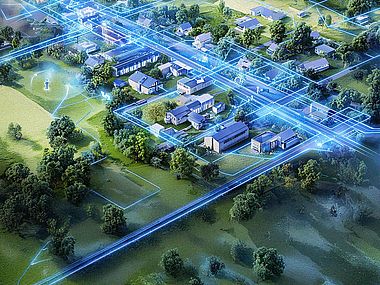
Cross-sector management for efficient and flexible energy systems
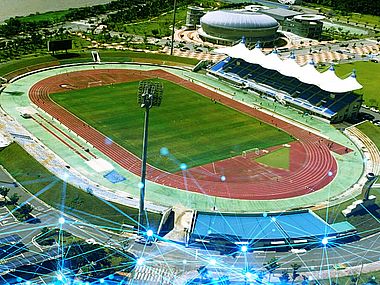
Sector coupling to increase energy efficiency in the neighborhood
At a glance
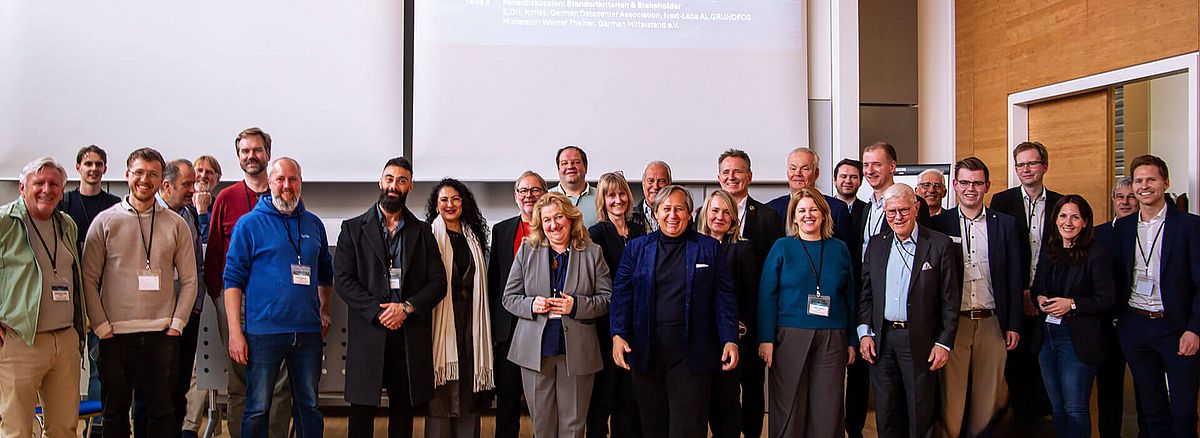
Data centers: the beating heart of the local energy transition

A pioneering model for sustainable energy management in SMEs

Data infrastructure for the energy sector
Advanced data infrastructure and digital twins enhance the precision of energy data optimization. AI-driven integration and connectivity boost planning efficiency and support the energy transition.
Competencies
-
Ontologies, knowledge graphs and modern platforms ensure a structured and centralised organisation of energy data.
-
Secure, cost-efficient and cross-manufacturer exchange is realised through central software solutions. Seamless communication between devices, customers and energy providers increases the efficiency and interoperability of energy systems.
-
Data from buildings, smart meters and weather models are brought together and supplemented by AI to make planning more precise and efficient.
-
Promoting collaboration is made possible by data platforms that provide valuable information to planners and organisations. They ensure compliance with regulations.
Reference projects
Intelligent planning platform for heterogeneous energy data

Sustainable energy supply through smart data use
The digital energy twin for municipalities, counties and providers in Bavaria
Semantic modeling and ontology integration in the energy domain of SWM
Insights
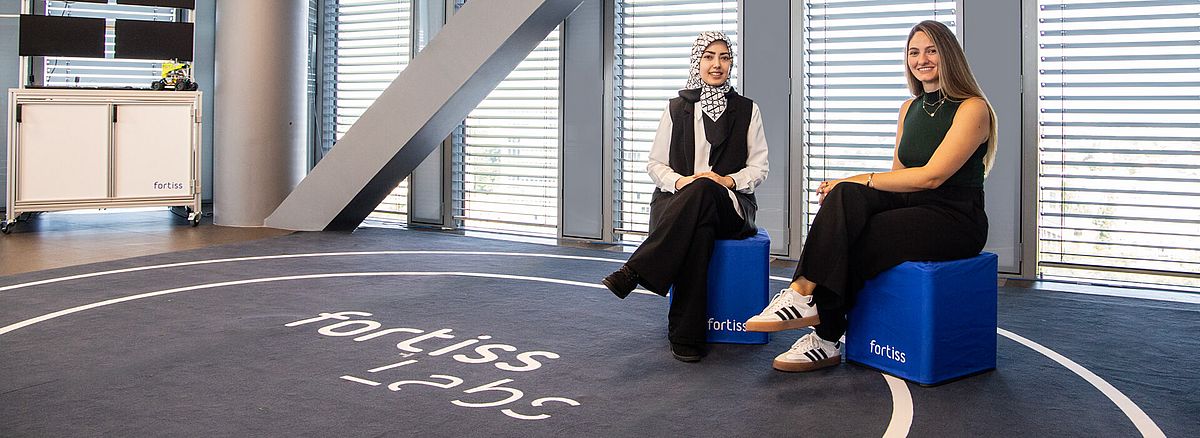
How data accelerates the energy transition
Data-driven energy management helps SMEs reduce costs and CO₂ emissions

Artificial Intelligence in the energy sector
AI is transforming the energy sector: Using algorithms and machine learning, energy providers are optimizing efficiency, flexibility, and stability, and creating innovative, sustainable energy systems.
Competencies
-
AI makes it possible to predict the generation of renewable energy, consumption and potential faults in the electricity grid. In this way, bottlenecks can be avoided, grid control optimised and reliability guaranteed.
-
Machine learning flexibly adapts energy flows to demand, which supports the integration of renewable energies and optimises the use of resources.
-
AI analyses aerial images to automatically identify photovoltaic systems and other decentralised energy resources. This improves the evaluation of support measures and increases the efficiency of the energy supply.
-
AI-supported simulations optimise complex energy systems such as memory solutions or hydrogen production and ensure forward-looking planning.
Reference projects
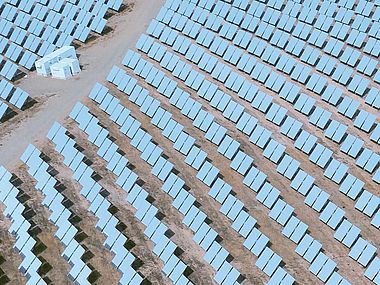
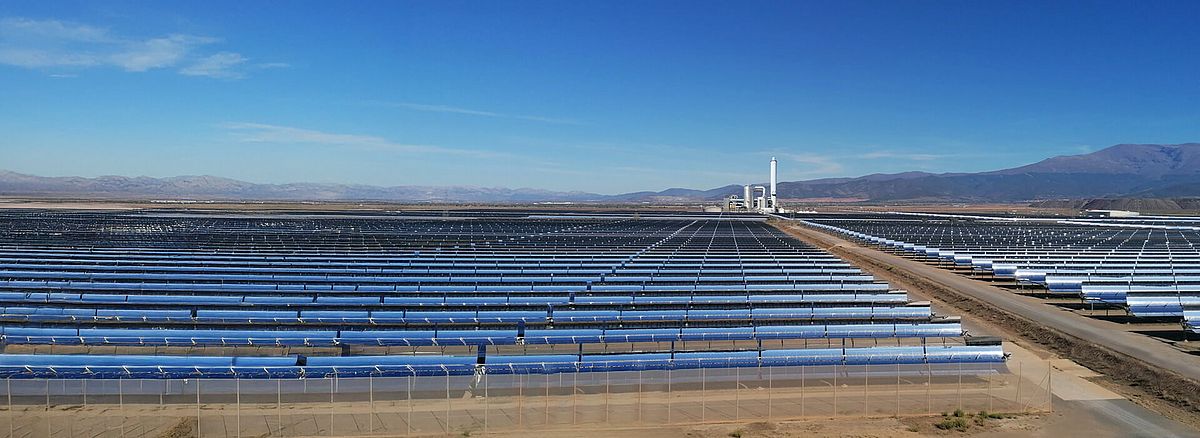
AI-powered automation for solar thermal power plants
Blockchain-based decentralized energy market for the energy transition