



Innovative engineering of connected systems
The efficient development, use, and management of IoT solutions are crucial to the success of digital transformation. Of particular importance are the Internet of Things (IoT), innovative platforms, and robust software systems for data and knowledge infrastructures. By integrating IoT technologies into existing systems and leveraging cloud and edge computing, companies and public institutions can optimize their processes, reduce costs, and simultaneously increase efficiency. The key is to strike a balance between user-centric requirements and regulatory mandates, particularly in safety-critical and highly regulated sectors.
In its IoT Engineering research focus area, fortiss concentrates primarily on data-oriented, decentralized, resilient infrastructures in areas that are sometimes considered “critical” and involve time-critical applications. These systems must not only be reliable in the face of failures but also be able to react quickly and dynamically to unexpected changes. The ability to respond flexibly to new challenges is increasingly becoming an indispensable feature of modern infrastructures and also encompasses the integration of sensor, actuator, computing, and communication capabilities into heterogeneous systems.
Another key focus is on data-drivent communication networks with low latency, high resilience, and security. The on-demand provisioning of edge cloud computing resources plays a crucial role in optimizing and scaling modern IoT infrastructures. As part of the digital transformation, edge and hybrid cloud computing form the crucial technological foundations, as do the seamless orchestration of network and computing resources and AI integration—from on-premises (edge) computing power to scalability in the cloud. These technologies make it possible to process and analyze data more efficiently while optimally leveraging the advantages of both.

IoT infrastructures for edge, cloud, and AI
The IoT Engineering research focus area brings together expertise from the various fields of competences to develop scientifically sound methods and innovative solutions. This interdisciplinary approach makes it possible to address the challenges of networked systems and to leverage the potential of IoT technologies in application areas such as energy, manufacturing, agriculture, smart cities, aerospace, and healthcare.

Architectures and Services for Critical Infrastructures
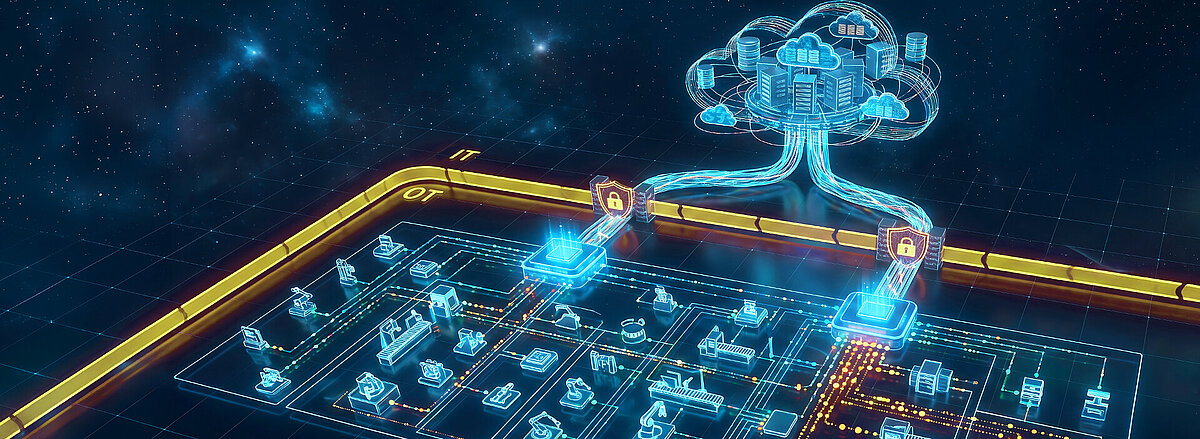
Industrial Internet of Things

Platform Engineering

Smart manufacturing through connectivity and data analysis
In the Smart Factory, fortiss develops intelligent manufacturing solutions. Real-time data is used to identify maintenance needs, optimize processes, and ensure quality—enabling connected, efficient, and future-ready production.

Digital resilience and efficiency in public administration
Public institutions benefit from fortiss platforms that strengthen resilience, collaboration, and flexibility. AI and adaptive architectures optimize processes and data exchange, enabling efficient, user-centered administration.

Decentralized, flexible energy management
The energy sector leverages fortiss solutions such as digital twins and platforms for the efficient control and storage of renewable energy. This optimizes reliability, resilience, and energy flows—particularly supporting SMEs in adopting innovative tariff models.
Reference projects
Learning methods for robust fault localization in power distribution networks

Intelligent assistance systems for optimising digital production processes

Reference architecture for strengthening Germany’s digital sovereignty in the public sector

AI-powered automation for solar thermal power plants

Supporting the edge-cloud continuum via a cognitive, decentralized framework

Enhancing the resilience of local authorities through citizen-driven innovation

Intelligent planning platform for heterogeneous energy data

Strengthening Europe's role in international ICT standardization

Assuring compliance of digital platforms in finance
Cross-sector management for efficient and flexible energy systems

Accountable Security Claims for Industrial Edge Applications
Farming goes digital

Sustainable energy supply through smart data use
Reliable, low-latency IIoT communication through semantic approaches

Increased efficiency for industrial applications
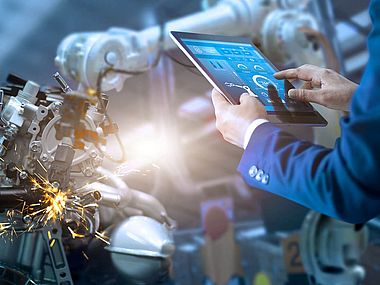
Connecting smart factories across Europe
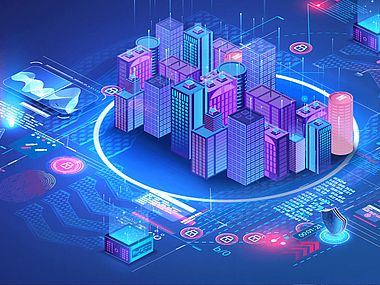
Blockchain-based decentralized energy market for the energy transition
At a glance

Services & insights

Your innovation starts with fortiss

Digital engineering for numerous domains