



Innovative engineering of AI-based systems
AI Engineering is gaining importance across various industries as companies face the challenge of integrating AI technologies into value-creating applications in a targeted and sustainable way. A key factor in this process is the handling of data—from collection and processing to its use in training, optimization, and validation of AI models. Data forms the foundation for the modeling and continuous advancement of intelligent systems and is crucial for their quality, efficiency, and trustworthiness.
Despite significant technological progress and the increasing adoption of AI-driven autonomous systems, trust in their security, reliability, and transparency remains a critical concern. Traditional software engineering methods are often not directly applicable to AI models, necessitating the development of more robust AI technologies. These systems must not only process vast amounts of data efficiently but also extract valuable insights from limited datasets – without compromising confidentiality and privacy. Particularly in uncertain and unpredictable environments, AI must be capable of making rapid, safe, and explainable decisions. Research at fortiss in AI Engineering is therefore focused on developing trustworthy AI technologies that can operate reliably and transparent even in complex and dynamic environments.

Research for trustworthy and efficient AI systems
fortiss explores innovative approaches such as generative models for data synthesis, human-centered design for improved usability, and methods for confidence calibration in AI-supported decisions. In addition, researchers at the institute are developing efficient learning methods for resource-constrained environments, low-energy hardware solutions, and edge and mobile AI concepts that enable decentralized processing and low latency. In safety-critical areas, testing, verification, and monitoring techniques are used to ensure that AI models are reliable and traceable.

Machine Learning

Neuromorphic Computing

Human-centered Engineering
Use Cases
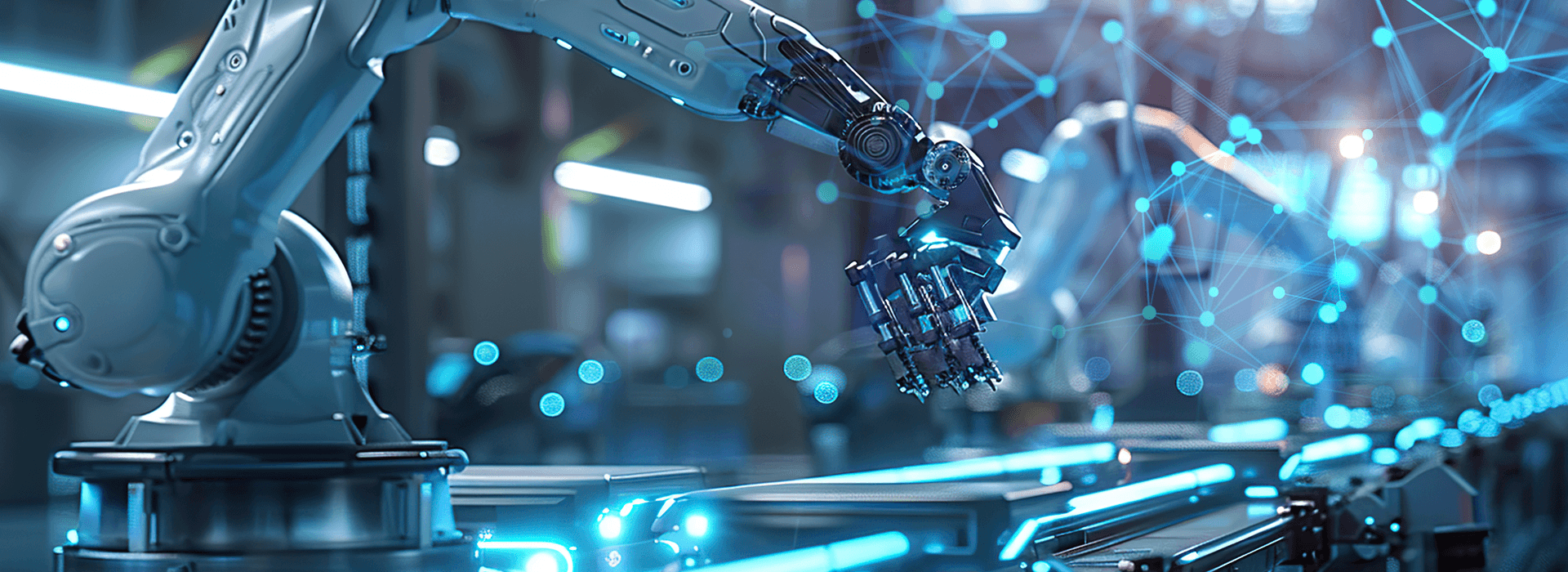
AI-supported intelligent manufacturing
Machine learning makes production processes more efficient and predictive: adaptive models forecast maintenance needs, detect quality deviations in real time, and optimize workflows—boosting productivity while reducing costs.

Dynamic, AI-driven optimization of energy grids
Intelligent control algorithms dynamically adapt energy grids to demand. Optimal load distribution enables the integration of renewable energy sources, ensures grid stability, and supports a sustainable energy supply.

AI-based fault detection in satellite constellations
Continuous analysis of high-frequency sensor data enables the early detection of anomalies in satellite constellations. Pattern and deviation analysis identifies sources of error, prevents failures, and ensures operational stability.

High-performance LIDAR processing for autonomous aviation systems
Neuromorphic computing architectures process LIDAR data at ultra-high speed, enabling precise environmental perception and obstacle detection in autonomous aerial systems, thereby enhancing safety and navigation capabilities.

Portable, energy-efficient medtech devices for precise health monitoring
Innovative AI methods enable the real-time analysis of biometric data on wearable MedTech devices. Neuromorphic processing continuously captures vital parameters and supports early prevention and diagnosis.
Reference projects

The key to save driving
Safe cooperative autonomous driving with AI-based behaviour planning

AI-based, autonomous on-board fault detection, isolation, recovery and resource optimisation in satellites

AI-enabled digital twins for innovation in the retail sector

AI-powered shopping assistant designed to encourage sustainable purchasing decisions
Safe, data-efficient autonomous driving with knowledge-augmented AI

Automated orchestration of edge-cloud services in manufacturing

AI-powered automation for solar thermal power plants

Safe AI for automated driving

Learning methods for robust fault localization in power distribution networks
Collaborative welding robots with human gesture interaction
Real-time, energy-efficient object identification using neuromorphic cameras and AI

AI-based text evaluation for automated processing of customer inquiries
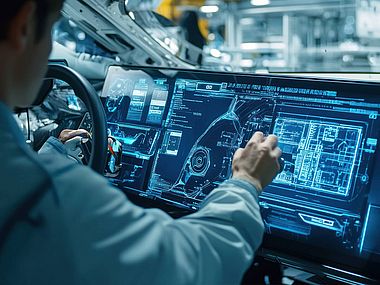
Automation of vehicle electrical systems through AI and multi-agent systems
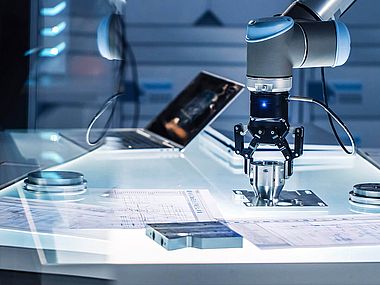
Industrial robots see with neuromorphic eyes

Event-based perception algorithms for autonomous driving

AI-powered performance analysis and strain detection for player development in amateur sport

AI-based assistance systems for optimized control of the central emergency room

GraphRAG-based training and education system for robot-assisted surgery

Lightning-Fast Event-Based Object Tracking for Automated Logistics

Certification of safe human-machine interaction for AI-based aviation assistance systems

AI-driven innovations in research and practice
fortiss develops generative AI (GenAI) and large language models (LLMs) to automate business processes and create practical AI solutions for SMEs in manufacturing, logistics, and other industries.
Read moreAt a glance

Services & insights

Your innovation starts with fortiss

Digital engineering for numerous domains