


Digital innovations for efficient and reliable healthcare
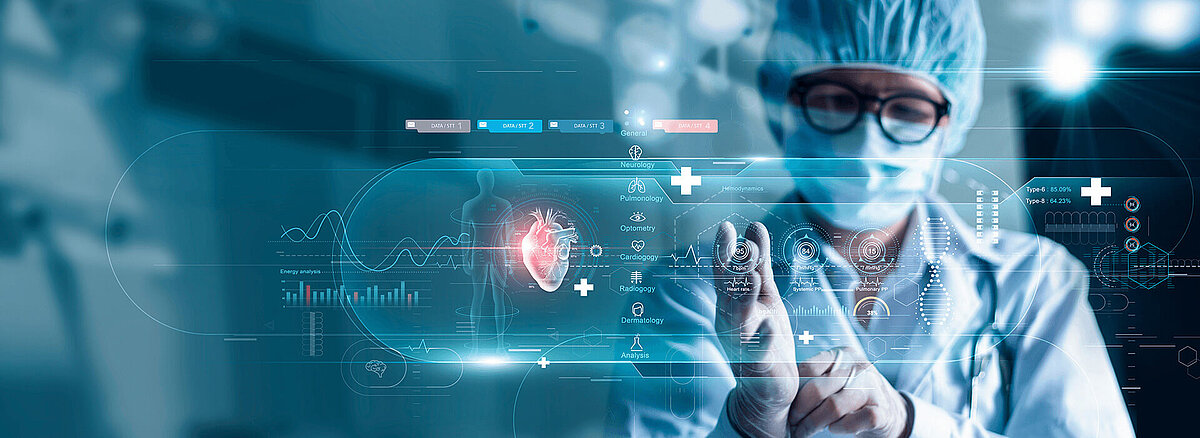
Software is emerging as a key technology in modern medicine. It enables data-driven decision-making, improves the quality of care and is transforming the way health is understood and medical services are delivered. The central scientific challenge lies in translating digital innovations into robust, secure and trustworthy systems.
Software is emerging as a key technology in modern medicine. It enables data-driven decision-making, improves the quality of care and is transforming the way health is understood and medical services are delivered. The central scientific challenge lies in translating digital innovations into robust, secure and trustworthy systems.
With this in mind, fortiss develops AI-based software and system solutions for connected, personalised and trustworthy healthcare. The research encompasses data-driven approaches to prevention, diagnosis and treatment, as well as the secure integration of intelligent systems into clinical and non-clinical care settings.
The integration of digital technologies into medical practice requires robust methods for validation, verification, system integration and regulatory compliance. To this end, fortiss combines research expertise in AI and software engineering with sound methodological expertise and supports innovation processes from concept development through to testing under real-world conditions.

Scientific expertise for medical applications
AI-assisted diagnostic procedures
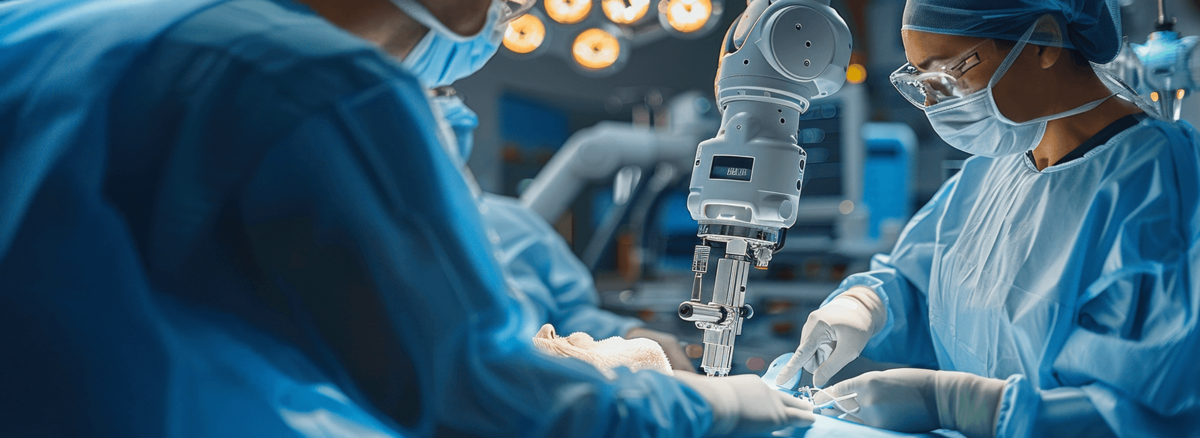
AI-assisted systems in clinical settings
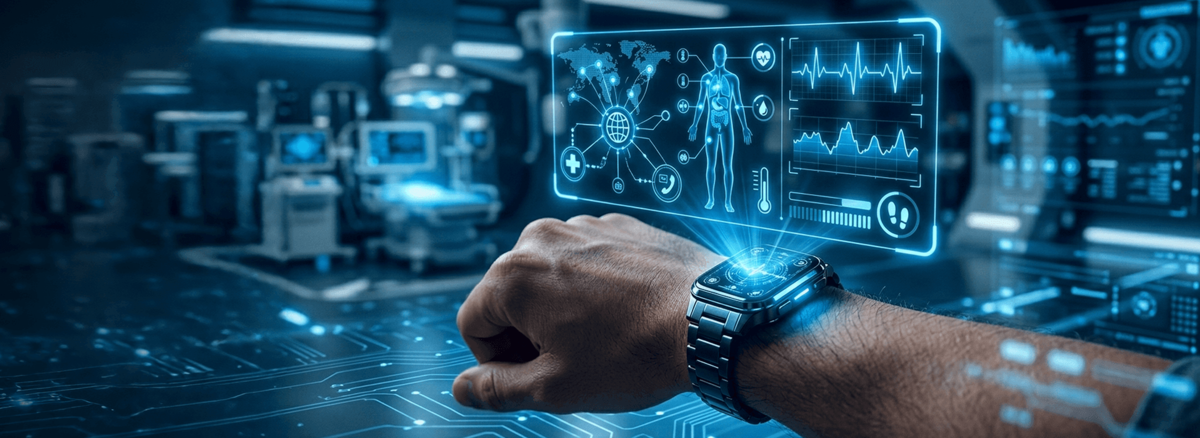
Personalised healthcare
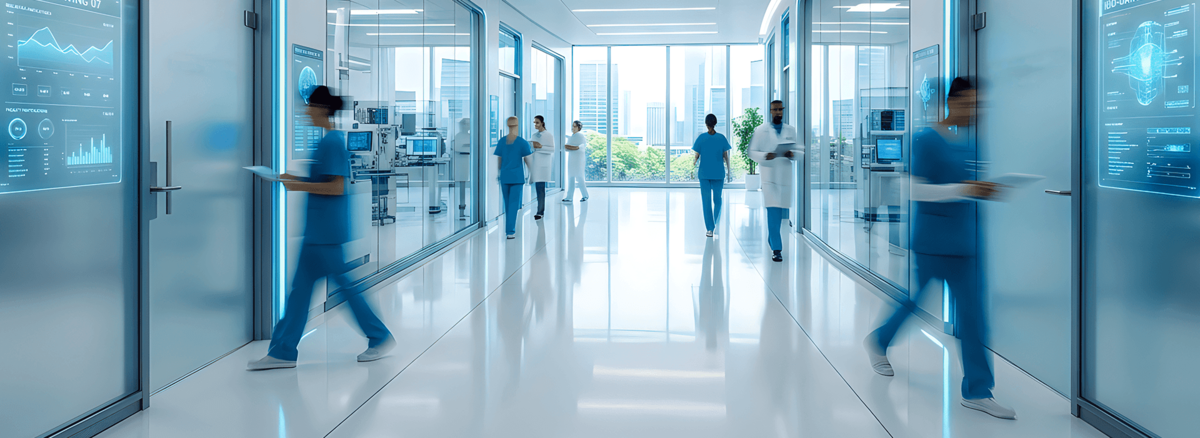
Connected healthcare and digital clinical processes
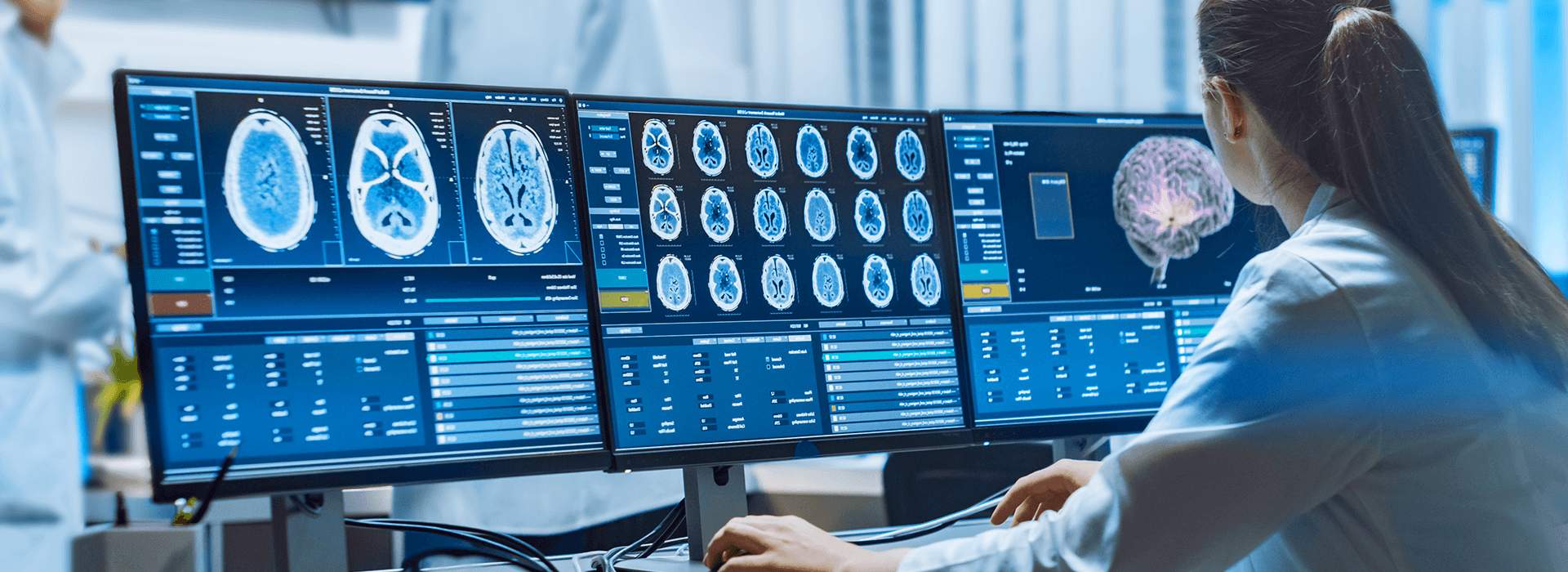
AI-assisted diagnostic procedures
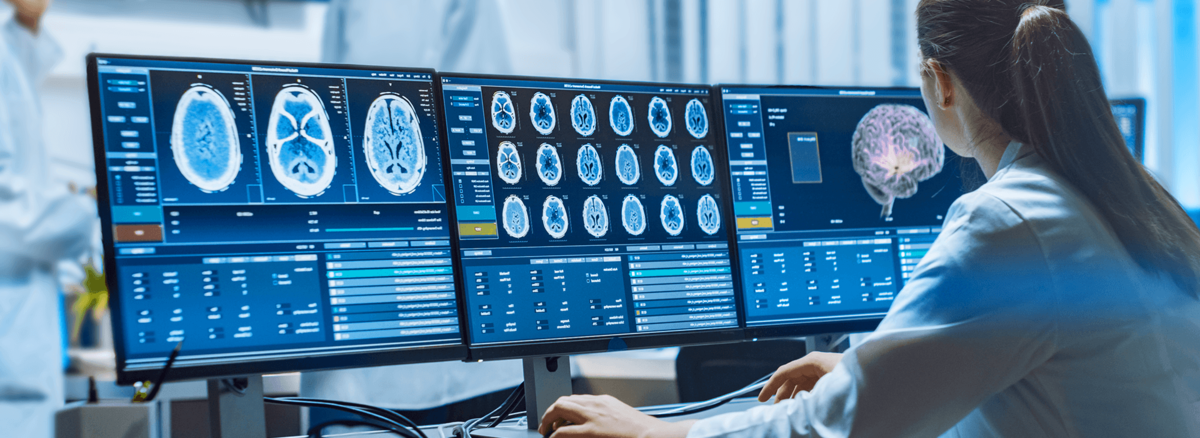
Machine learning, deep learning and NLP are opening up new possibilities for diagnostics. The intelligent integration of medical data is leading to transparent, validated and practical AI solutions for clinical use.
Competencies
-
fortiss develops robust software architectures in accordance with IEC 62304, the international standard for medical software. This results in systems that meet high standards of safety, reliability and regulatory compliance, and are designed for use in medical technology.
-
fortiss develops deep learning methods for analysing CT, MRI and other imaging data. The systems assist in the detection of relevant patterns and abnormalities and help to make diagnostic processes more efficient and consistent.
-
AI systems combine structured and unstructured data from electronic health records, laboratory results, imaging and clinical documentation. Using natural language processing (NLP), relevant information is extracted from free-text sources such as doctors’ reports or patient histories and consolidated into a comprehensive patient profile.
Reference projects
Test case generation for robust safety-critical systems

Explainability in AI-based decision making
Insights

Diabetes retinal screening through AI
Innovative testing methods for greater safety in critical systems
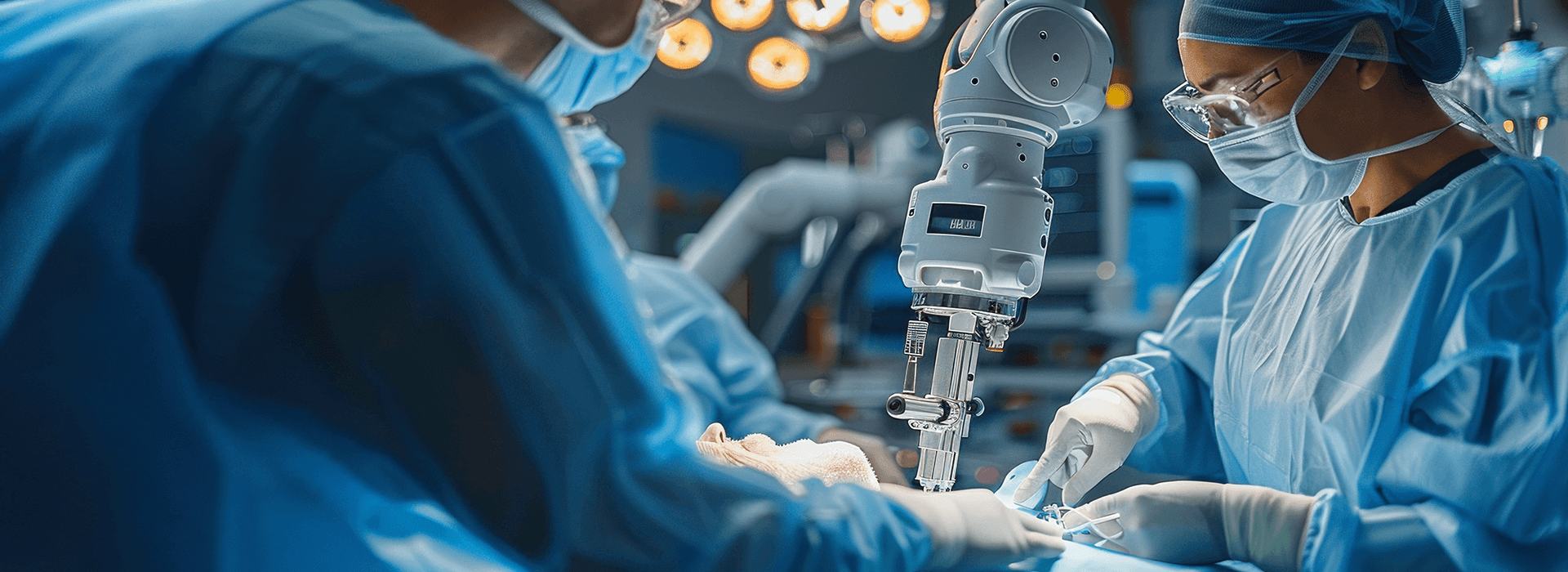
AI-assisted systems in clinical settings
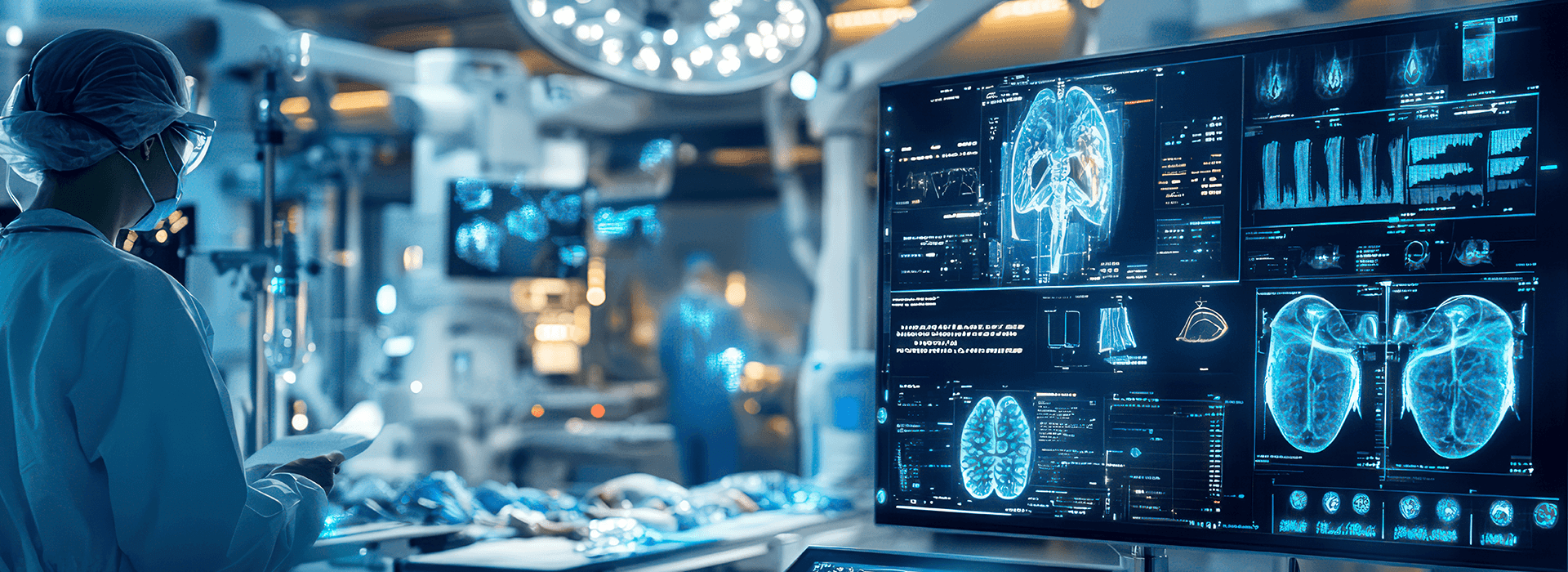
AI-assisted systems enable the real-time analysis of medical data and support clinical decision-making. ‘Human-in-the-loop’ approaches combine data-driven recommendations with human expertise.
Competencies
-
fortiss develops software solutions in accordance with international standards for safety-critical medical technology. The focus is on robust architectures, high reliability and compliance with regulatory requirements for use in clinical environments.
-
The successful use of AI in medicine requires a combination of algorithmic analysis and human expertise. fortiss develops ‘human-in-the-loop’ concepts in which AI systems provide transparent support, whilst responsibility and the final decision remain with healthcare professionals.
-
AI solutions only realise their full potential when they are seamlessly integrated into existing care processes. fortiss develops methods for integrating intelligent assistance systems into hospital information systems, patient data management systems and other clinical IT environments, in order to ensure seamless and secure data exchange.
-
For use in safety-critical environments, AI systems must be demonstrably capable of functioning reliably under conditions that closely resemble real-world scenarios. fortiss develops methods for the verification, validation and assurance of AI-based assistance systems in order to systematically assess their reliability and practical suitability.
-
fortiss is researching AI methods for medical applications where data must be processed continuously and decisions supported within the shortest possible time. In addition to the real-time analysis of vital signs and biosignals, fortiss is developing event-driven and neuromorphic AI approaches that detect relevant changes directly at the data source and process them with minimal latency. These resource-efficient methods enable continuous monitoring and intelligent analysis of sensor streams, and lay the foundation for future medical systems that can operate even under demanding requirements in terms of response speed, energy efficiency and reliability.
Reference projects
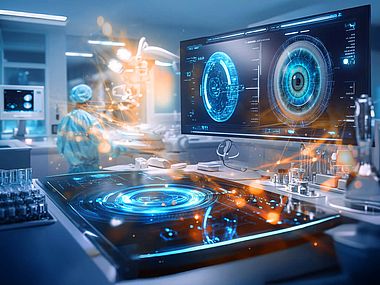
GraphRAG-based training and education system for robot-assisted surgery

Energy-efficient human-machine interaction via edge AI for AR/VR
Insights

AI-Powered training for the operating room of the future
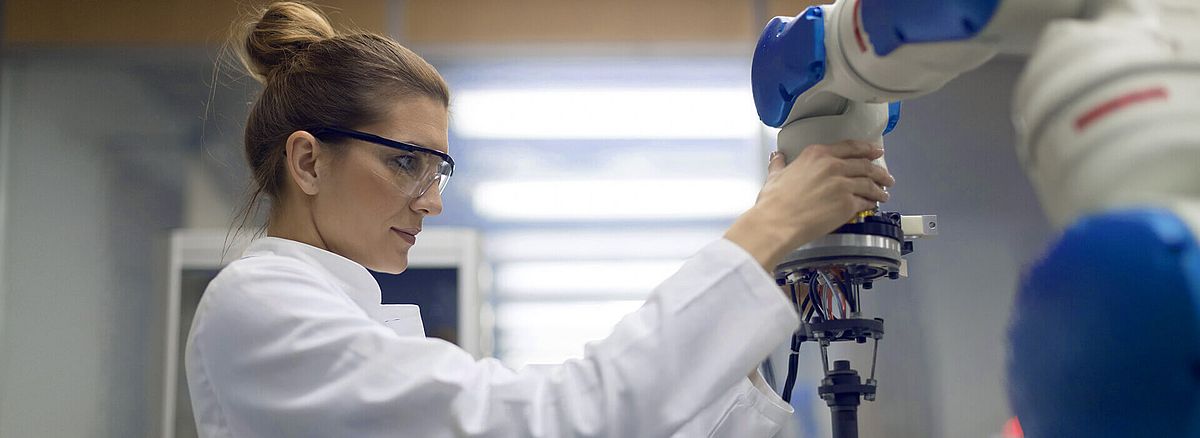
Control system for safe, flexible and efficient human-robot collaboration
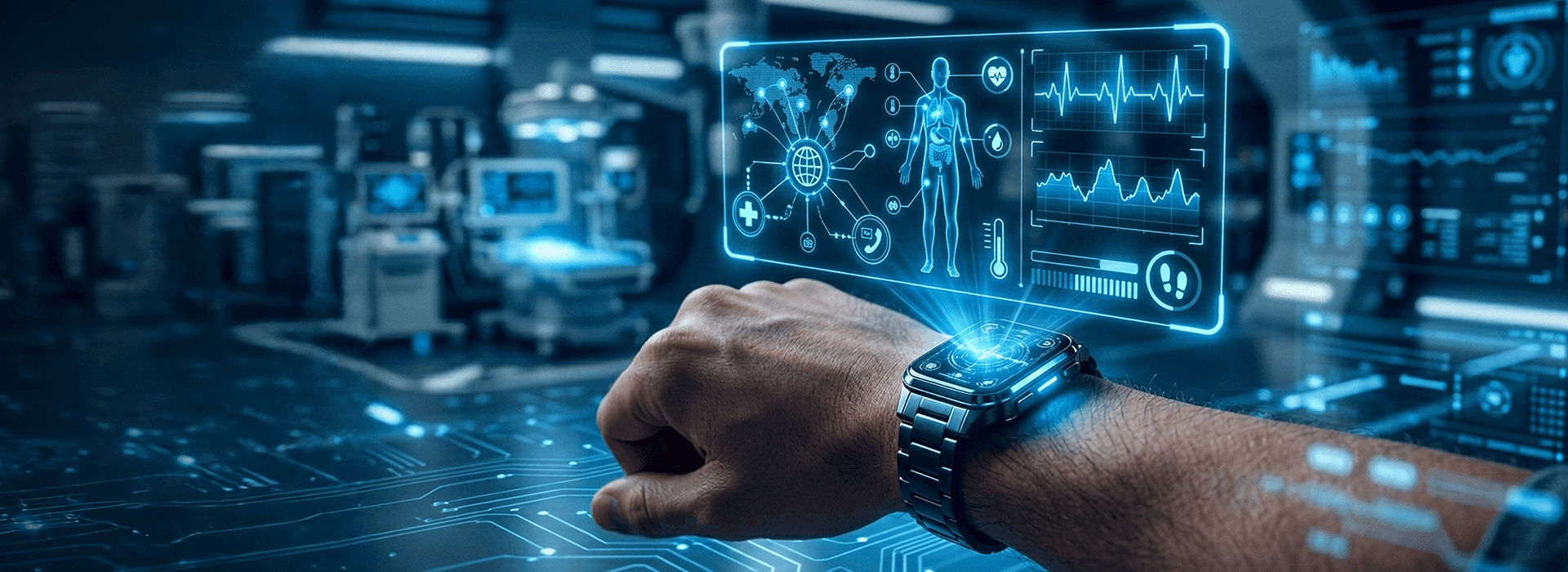
Personalised healthcare
Digital twins and data-driven approaches enable personalised care throughout the entire treatment journey – from prevention and treatment to rehabilitation and aftercare.
Competencies
-
Digital twins enable patient-specific conditions, disease progression and treatment outcomes to be modelled in virtual environments. By integrating sensor data, medical expertise and data-driven methods, predictive models are created that support individual treatment decisions and enable treatment pathways to be evaluated.
-
Scalable platform architectures combine the rapid processing of local data with long-term analysis and modelling techniques. This enables healthcare data to be securely integrated, continuously analysed and utilised for patient-specific support systems.
-
Modern treatment systems must be able to respond to changes in the course of the disease and treatment. Adaptive software architectures and AI techniques enable medical applications to be dynamically adapted to individual patient data, treatment outcomes and clinical conditions.
-
Intelligent algorithms and the continuous analysis of patient and sensor data support the analysis and prognosis of treatment outcomes. This enables treatment strategies to be evaluated on the basis of data, personalised and tailored to individual needs.
-
Virtual and augmented reality are creating new opportunities for neurological, cognitive and physical rehabilitation. Adaptive training environments allow therapeutic interventions to be tailored to the individual and support continuous adjustment in line with progress in rehabilitation.
-
The local processing of physiological signals directly on end devices enables short response times, high energy efficiency and reduced reliance on centralised infrastructure. Neuromorphic and edge-based AI approaches support continuous health monitoring, event-driven analysis and personalised treatment strategies over long periods of use.
-
The benefits of mobile health applications can only be realised through their seamless integration into existing healthcare systems. Standardised interfaces enable the secure exchange of information between patients, healthcare facilities and clinical information systems.
-
The handling of sensitive health data places high demands on security and transparency. ‘Privacy by design’ principles, secure communication mechanisms and differentiated access models form the basis for digitally-based healthcare solutions that are compliant with regulations and trustworthy.
Reference projects

Real-time, energy-efficient gesture and motion recognition using neuromorphic AI

Low Power and Learning Wearables for the Next Generation of Footballers
AI-powered performance analysis and strain detection for player development in amateur sport
Insights

Neuromorphic AI enables precise, adaptive, and energy-efficient action recognition in real time
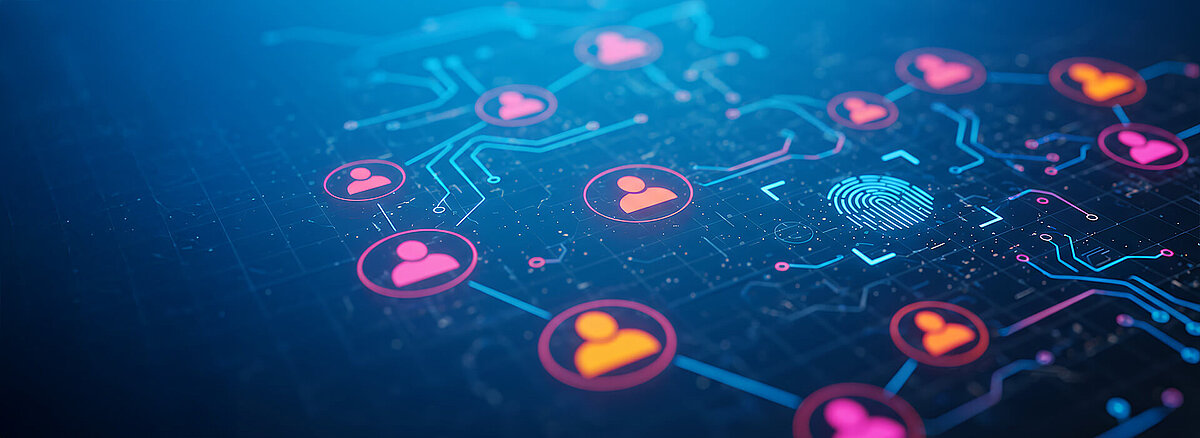
Reliable usage control for secure policy enforcement in cloud, edge and IoT environments
Connected healthcare and digital clinical processes
Connected medical devices, clinical information systems and digital health applications require interoperable software architectures. These enable secure data exchange, data-driven decision-making and efficient clinical processes.
Competencies
-
Reliable collaboration between heterogeneous systems requires standardised interfaces and common data models. Modern integration approaches enable the connection of medical devices, hospital information systems and digital health applications on the basis of established international standards.
-
Connected medical devices and cyber-physical systems place high demands on reliability, security and maintainability. Modern software architectures lay the foundations for the secure operation of intelligent systems in clinical settings.
-
Shifting data processing and AI functions directly to medical devices and sensor systems enables fast response times, reduced communication overhead and greater data sovereignty. Edge-based architectures lay the foundation for intelligent, resilient and real-time-capable medical systems in clinical environments.
-
Data continuously recorded from medical devices and sensor systems provides valuable information for diagnosis, treatment and patient monitoring. Real-time processing techniques enable the prompt provision of relevant information to support clinical decision-making.
-
The interaction between complex system landscapes must be thoroughly tested before they are put into production. Realistic test and validation environments enable the assessment of stability, security, interoperability and scalability under conditions that closely resemble real-world scenarios.
-
As connectivity increases, so do the demands on data protection, information security and regulatory compliance. Secure software architectures, robust communication mechanisms and structured development processes form the basis for trustworthy digital health systems.
-
Digital platforms provide the technical foundation for end-to-end clinical workflows, cross-sector collaboration and new models of care. Scalable software solutions support the automation of processes, as well as telehealth and data-driven healthcare applications.
Reference projects