



Case study Vojext – Value of joint experimentation
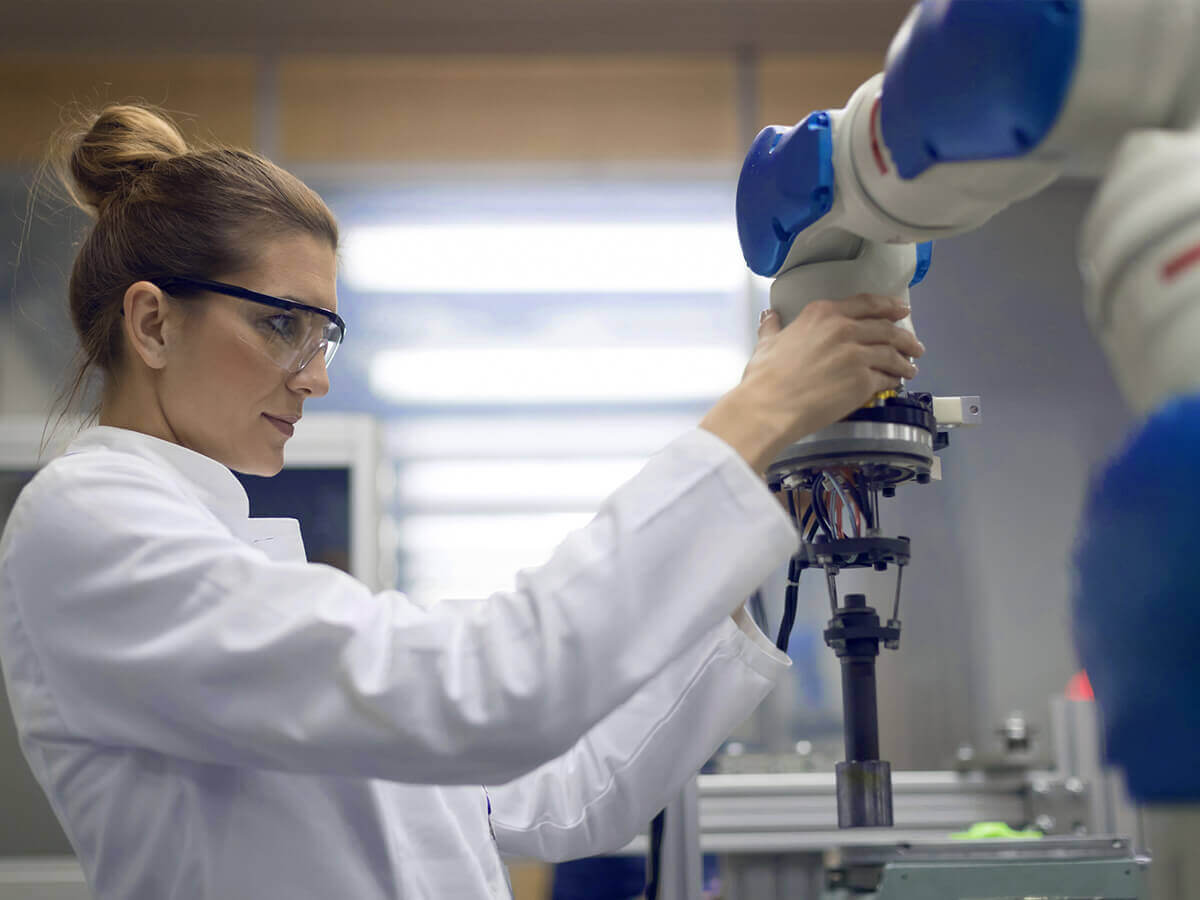
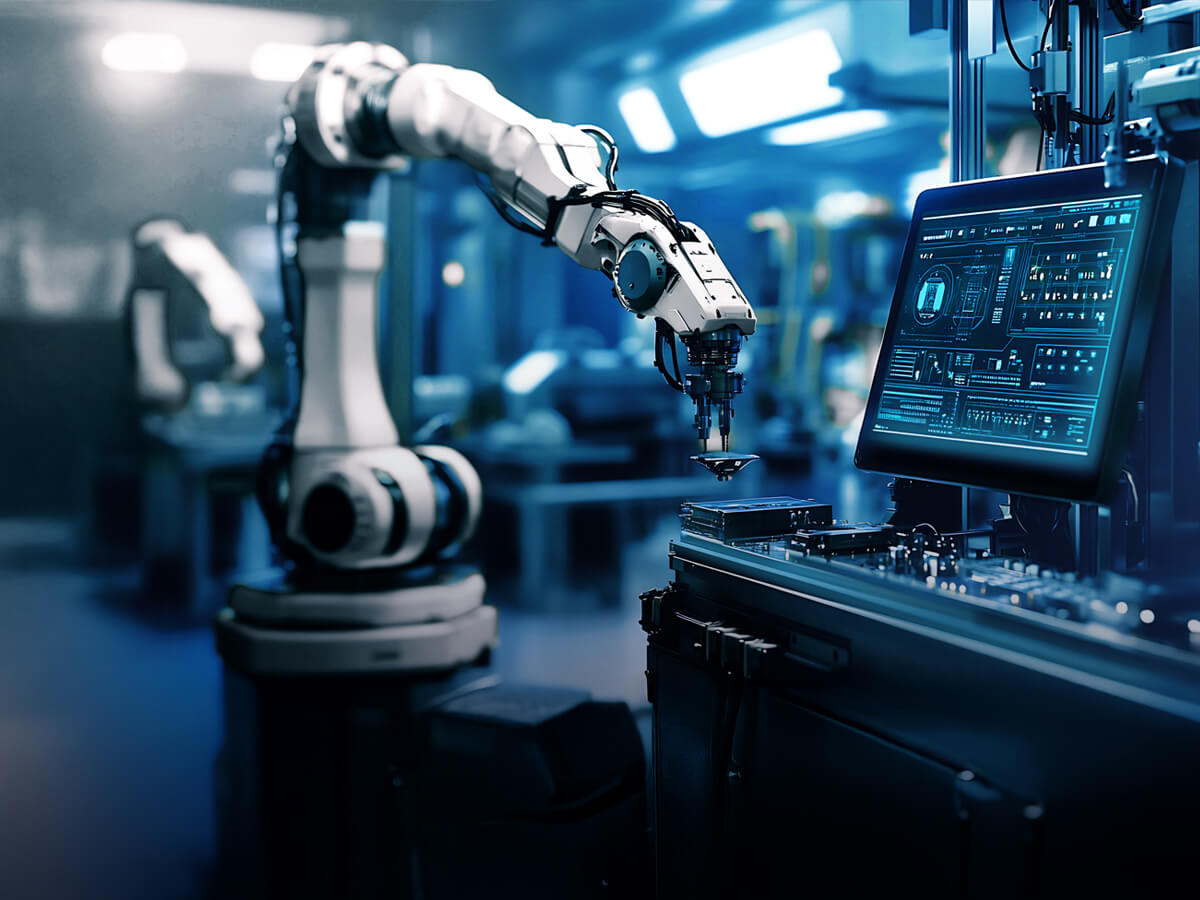
European SMEs needed cost-effective and flexible robotic automation to remain competitive. In the VOJEXT project, fortiss and its partners developed AI-supported, knowledge-based control systems and semantic models that enable dynamic, safe and efficient human-robot collaboration. This drives automation in the manufacturing and construction industries and supports future-proof AI integration in production.
VOJEXT is a European Horizon 2020 research project involving 20 partners from 8 countries. The aim was to empower SMEs in the manufacturing and construction industries with affordable, cognitive robotic systems. The mission: to enable flexible, efficient and human-centred automation solutions.

Solution
As part of the project, fortiss developed an innovative, knowledge-based control system that automatically formalises and interprets automation and manufacturing knowledge in order to dynamically derive process steps, parameters and required resources at runtime. The institute developed semantic description languages to encode knowledge about products, processes and robot platforms, enabling highly interconnected semantic models for adaptive planning and execution.
Furthermore, as a Digital Innovation Hub, fortiss jointly organised webinars and surveys to disseminate the project results and developed policy recommendations based on the S+T+ARTS art-industry cooperation. These components will be further expanded in future projects to increase the degree of autonomy of automation systems, enable semantic integration of heterogeneous production data, and support data-driven analyses through automated machine learning pipelines.
Result
- Development of cognitive robot systems for safe, flexible human-robot collaboration
- Creation of semantic models for dynamic process planning and resource allocation
- Enables the automated derivation of process steps and optimal resource utilisation in real time
- Dissemination of results through webinars and surveys, thereby extending the impact beyond the research itself
- Development of policy recommendations arising from the art-industry collaboration to create social value
- Laying the foundations for AI-driven autonomy and semantic data integration in manufacturing
Outcome
The integration of AI-based perception, cognitive systems and semantic modelling by fortiss enables flexible and efficient human-robot collaboration solutions that are specifically tailored to the needs of SMEs. The dissemination and policy contributions ensured that technological advances go hand in hand with societal readiness, and demonstrated how targeted AI research can transform traditional manufacturing and construction processes and help shape future industry standards.
Project partner